
Skip to content
NaturaFish logo wordmark in slate blueNaturaFish
Algarve, Portugal

Fish raised the way nature intended.

Premium European seabass and gilthead seabream, naturally farmed in the clean Algarve estuaries of southern Portugal.
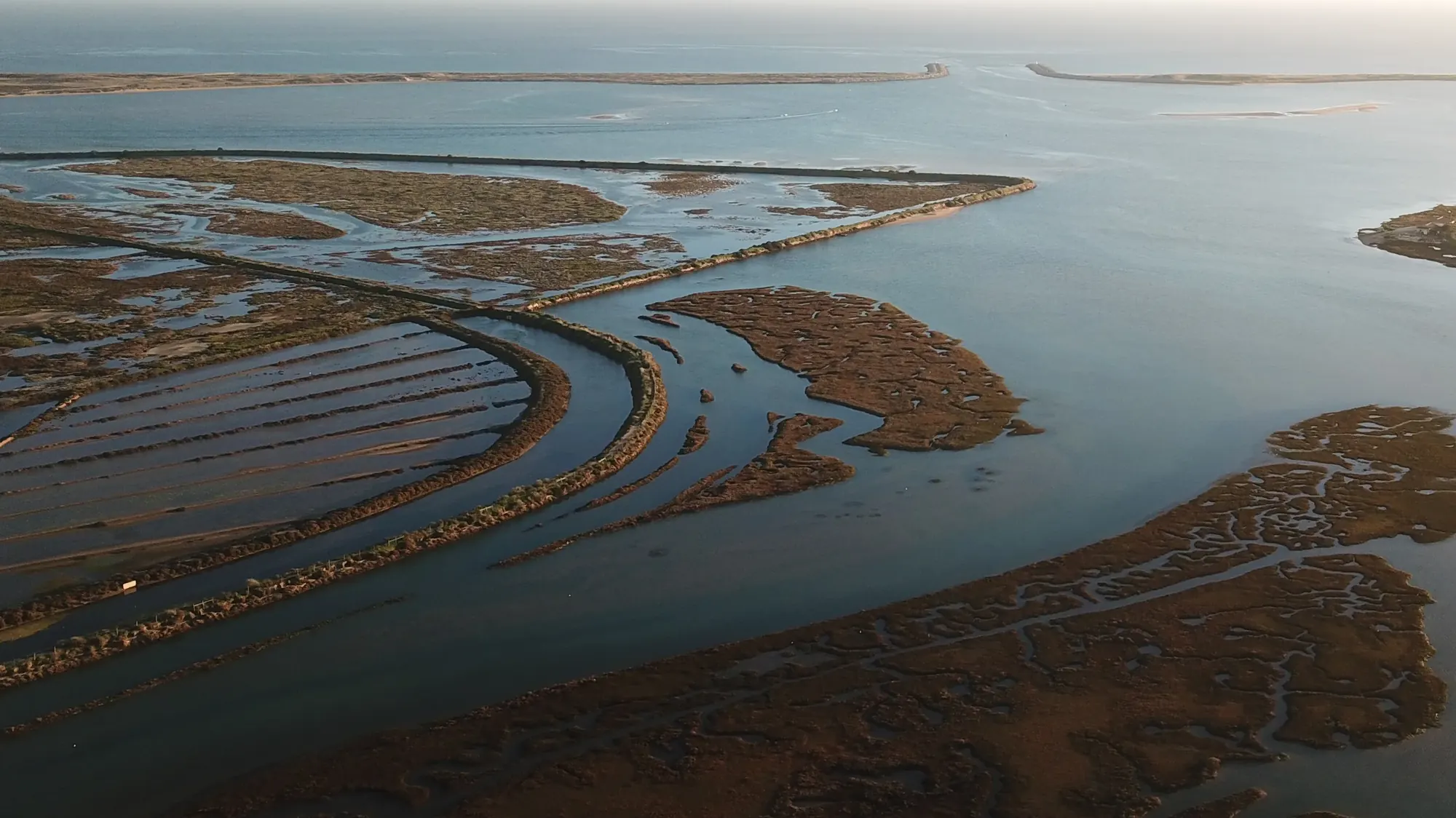
Aerial view of Ria de Alvor estuary and NaturaFish ponds at golden hour in the Algarve
FIG. 01Natura 2000 Ria de Alvor Bird Sanctuary, Algarve, Portugal, home of the NaturaFish Alvor farm

Philosophy

We work with nature, not against it.

For decades, we've raised Robalo and Dourada in the tidal waters of the Algarve, in the same estuaries these species call home in the wild. No cages. No crowding. Just fish living, feeding, and growing the way they were meant to.

Our Fish

Two species. One philosophy.

Raised slowly in their natural habitat for those who appreciate the difference.

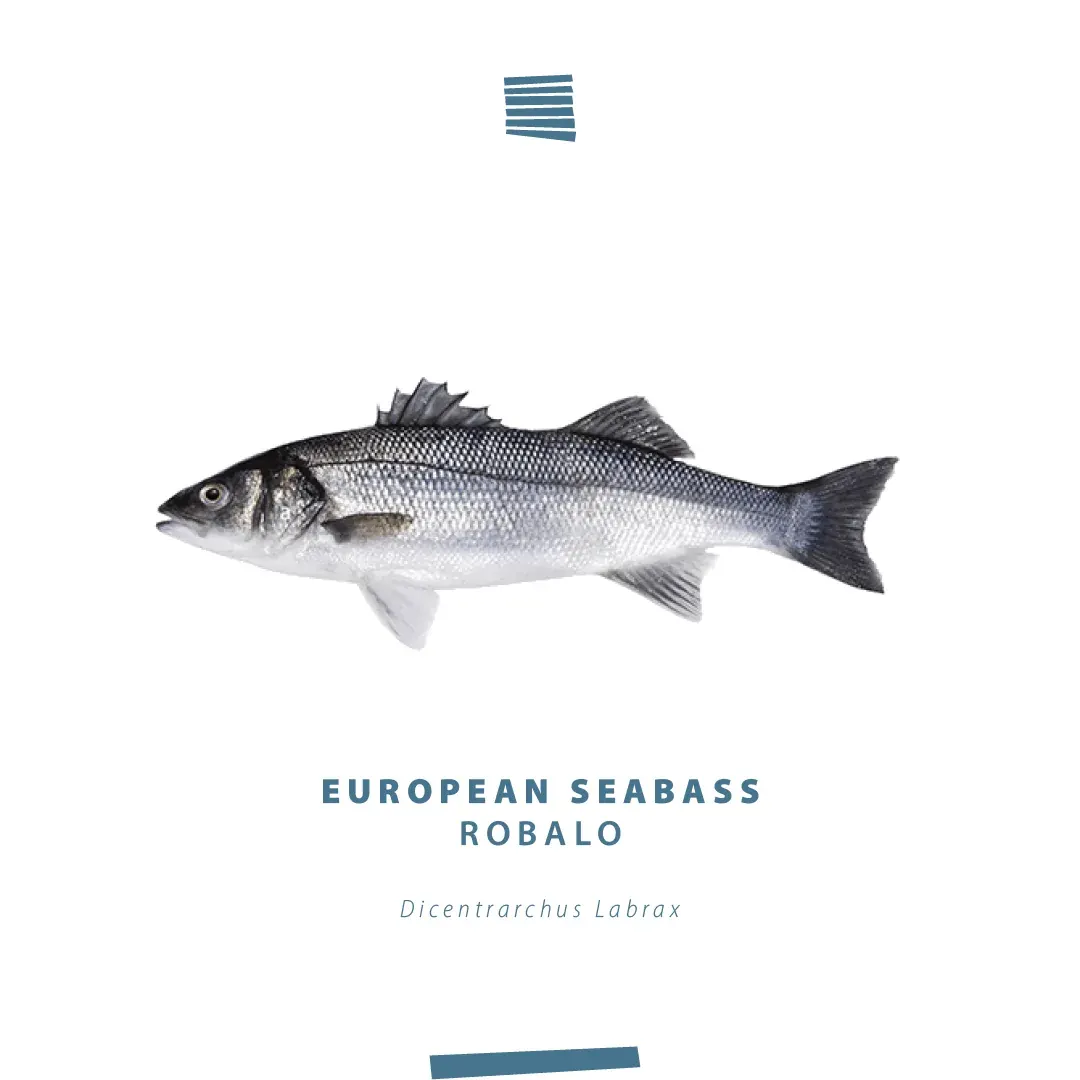
European seabass (Robalo, Dicentrarchus labrax) product card from NaturaFish
Robalo01 / 02

European Seabass

Dicentrarchus labrax

Raised in low-density estuary ponds with natural tidal feeding. Firmer flesh, cleaner flavor, and a story your customers can taste.

Learn about our seabass
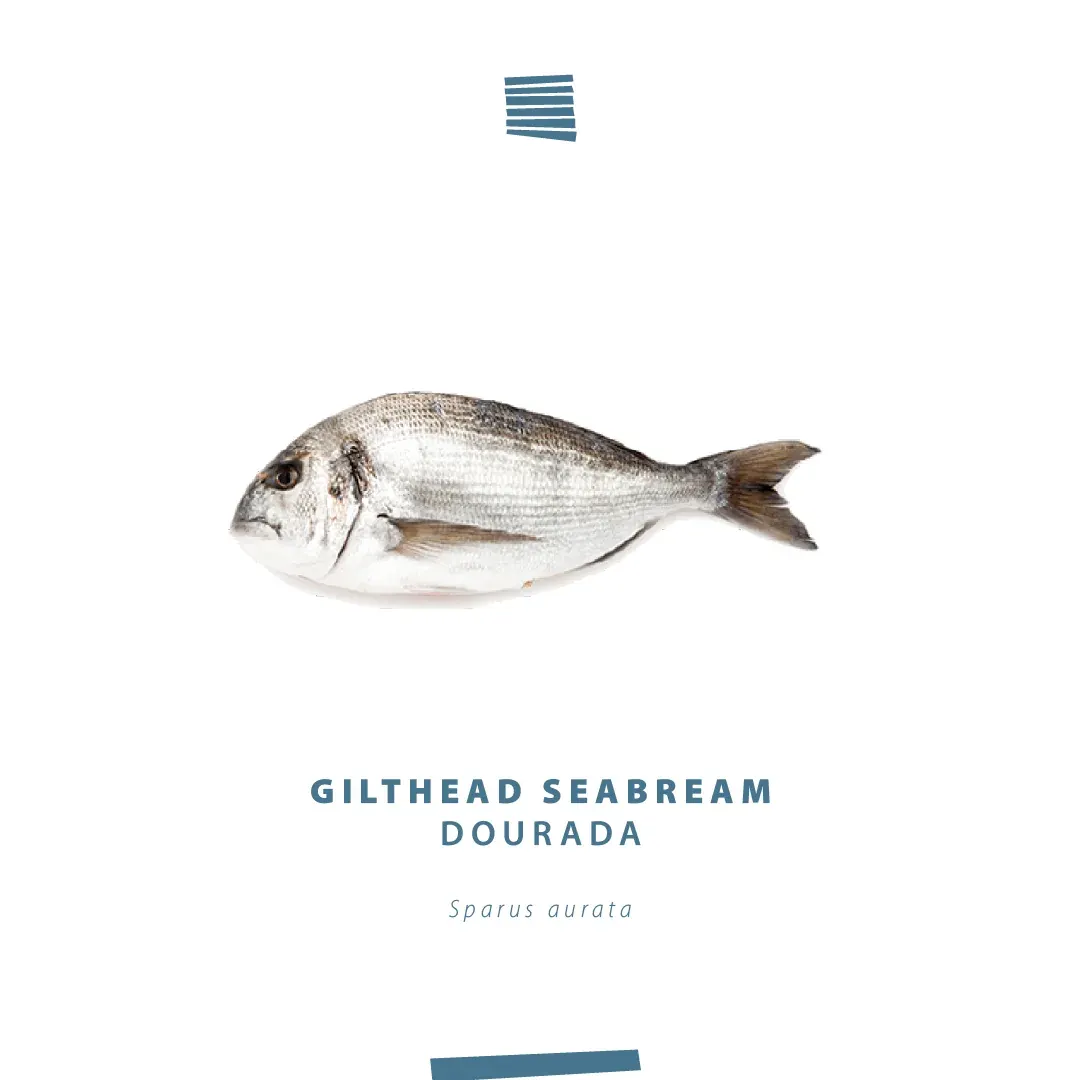
Gilthead seabream (Dourada, Sparus aurata) product card from NaturaFish
Dourada02 / 02

Gilthead Seabream

Sparus aurata

Farmed at low densities in their natural habitat and fed by twice-daily tidal exchange. The texture and taste of a happy fish.

Learn about our seabream
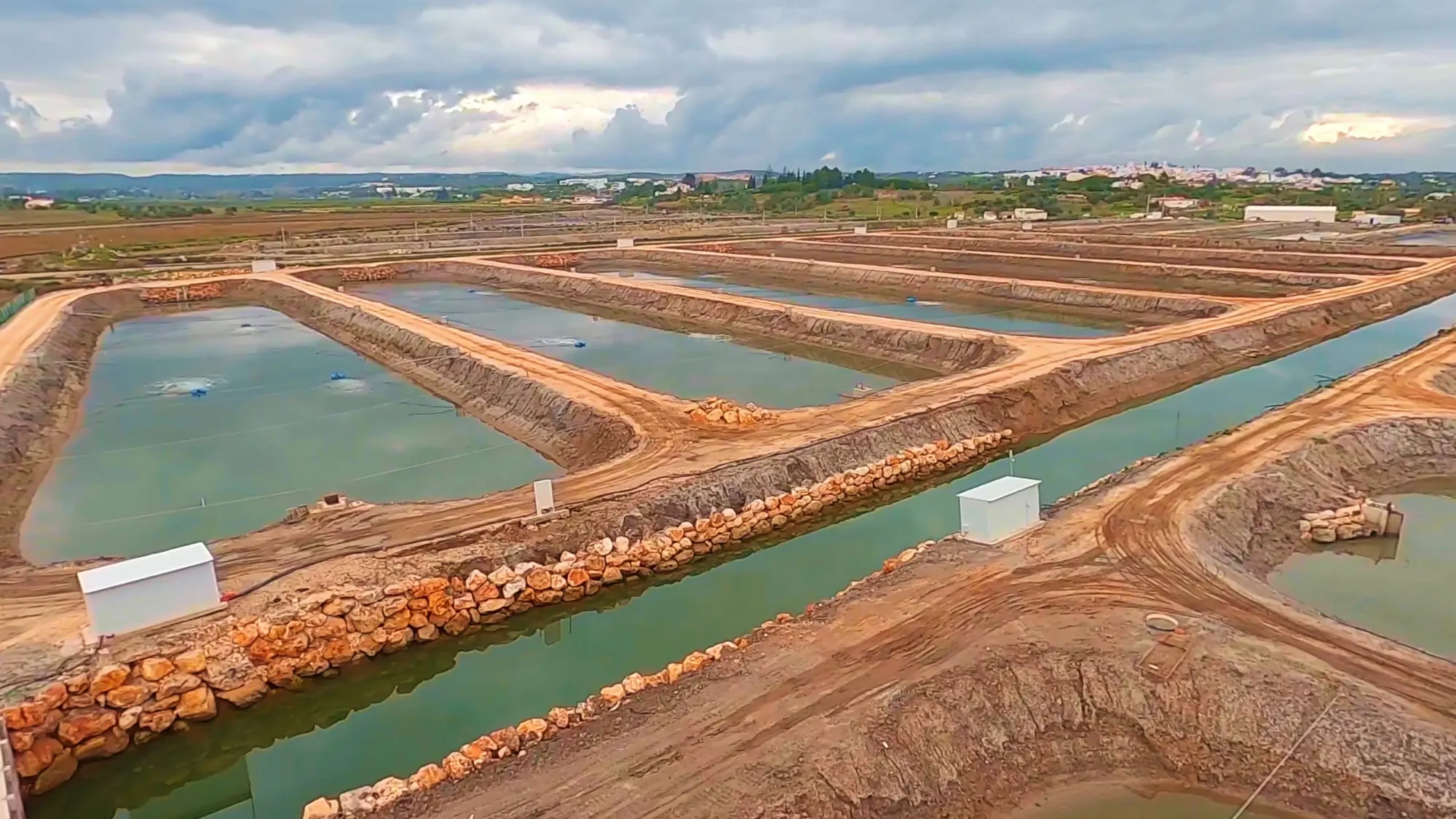
Ground-level view of NaturaFish aquaculture ponds with stone channels in the Algarve

The Difference

The free-range fish.

Think free-range chicken or grass-fed beef, but for the sea. Industrial aquaculture uses high-density offshore cages in open water that isn't native to these species, producing stressed fish on artificial feed in warmer waters.

We farm in the estuaries Robalo and Dourada actually evolved in, at densities low enough to let them swim, socialize, and feed naturally. The difference shows up on the plate.

HabitatNative estuary, not offshore cage
DensityLow (compared to offshore cages)
FeedTidal exchange + cereals & fish oils
GrowthSlow, natural maturation

By the Numbers

Two farms. One philosophy.

Two farms in Portugal's western Algarve, working at the scale that lets us stay natural.

1,200

tonnes / year

Annual production across both farms.

41

ponds

Across 40 hectares in Ria de Alvor and Rio Arade.

100%

daily water renovation

Through natural tidal exchange.

Decades

of experience

Of natural pond aquaculture on our team.

About Us

From the estuaries of the Algarve.

NaturaFish was built on a simple idea: the best fish are the ones farmed closest to how they live in the wild. Led by CEO Miguel Theriaga, our team brings together decades of pond farming knowledge and ongoing R&D in extensive aquaculture.

Learn more about NaturaFish
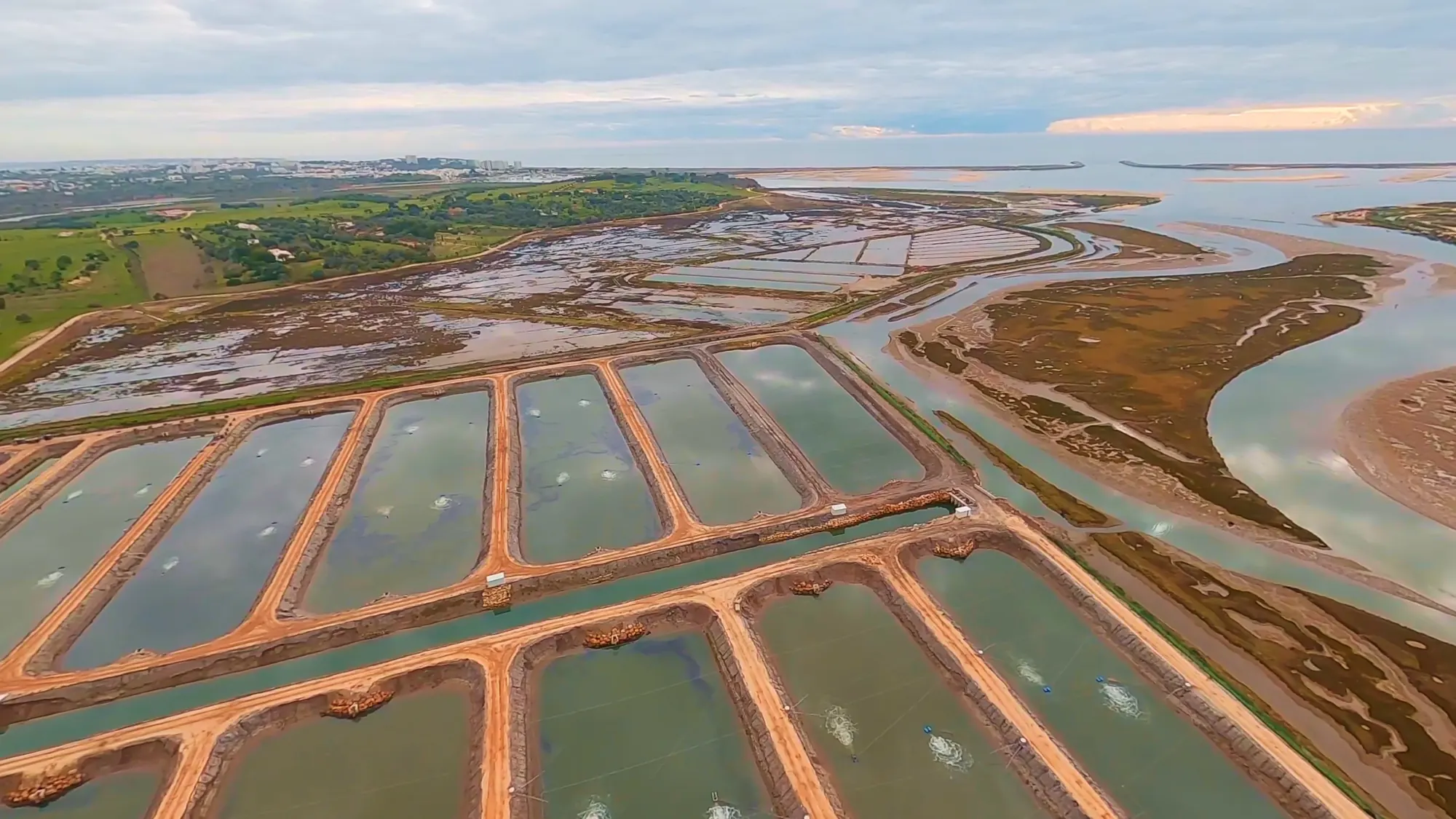
Aerial view of NaturaFish Ria do Arade estuary farm and ponds near Portimão
FIG. 02NaturaFish Alvor estuary farm

Where We Deliver

From the Algarve to your kitchen.

We supply chefs, distributors, and retailers across Portugal, the European Union, and the Middle East, with cold-chain logistics through Faro and the Port of Portimão.

Tier I01

Portugal

Direct from our Algarve farms to restaurant distribution and retail across the country.

Tier II02

European Union

Wholesale Mediterranean fish for EU distributors and top chefs.

Tier III03

Middle East

Export-ready premium seabass and seabream for Middle East importers.

FAQ

Common questions.

01
How does NaturaFish compare with wild-caught fish and with conventionally farmed fish?
Our fish live as they would in the wild, in estuary ponds the tide renews twice a day, but protected from predators. Compared with seabass and seabream farmed in sea cages, we farm at much lower densities, and our fish eat the natural food the tide brings in. The result is a slower-grown, less-stressed, better-tasting fish. Our fish live, look, and taste wild.
02
How are your fish raised?
In ponds connected to the estuary, the habitat native to seabass and seabream. The tide flows in and out twice a day, renewing the water and bringing natural food. These are natural farms run by people, in a traditional way that stays close to how fish have always been harvested.
03
How much space do the fish have to swim?
A lot. Our ponds hold only 1 to 3 kg of fish for every cubic metre of water. That means low stress for the fish, a light footprint on the estuary and high-quality meat.
04
What does the farm give back to the estuary?
Our ponds are part of the estuary. The tide that fills them flows back out, and what it carries benefits the life around the farm. Oyster farms, which need very clean water, thrive across the estuary, and our Alvor farm sits inside a Natura 2000 preserve and bird sanctuary. The farms also employ people from the local area.
05
Where can I buy NaturaFish?
In Portugal, our fish is sold through distributors, and we work directly with a select number of chefs. If you are close to our farm in Alvor, you can also buy from us there. Outside Portugal, we ship to importers in the EU and the Middle East. Send us an inquiry and we will point you to the right place.
06
How do I become a customer?
Send us an inquiry with the fish you need and where you are. We reply by email with sizes, availability and how to order.

Get in Touch

Source naturally farmed Mediterranean fish.

Tell us about your sourcing needs and we'll come back to you within one business day.

Farms

Alvor, Algarve, Portugal Arade, Algarve, Portugal

Fish

Contact

Review

What can we help you source?

Select one or both.